
Puppy proofing your home
A room by room checklist to puppy proof your home: kitchen, living room, bathroom, garage and yard, plus the household items that are toxic to dogs.
Clear steps for the first minutes of an emergency, and the everyday safety habits that prevent most of them.
A room by room checklist to puppy proof your home: kitchen, living room, bathroom, garage and yard, plus the household items that are toxic to dogs.
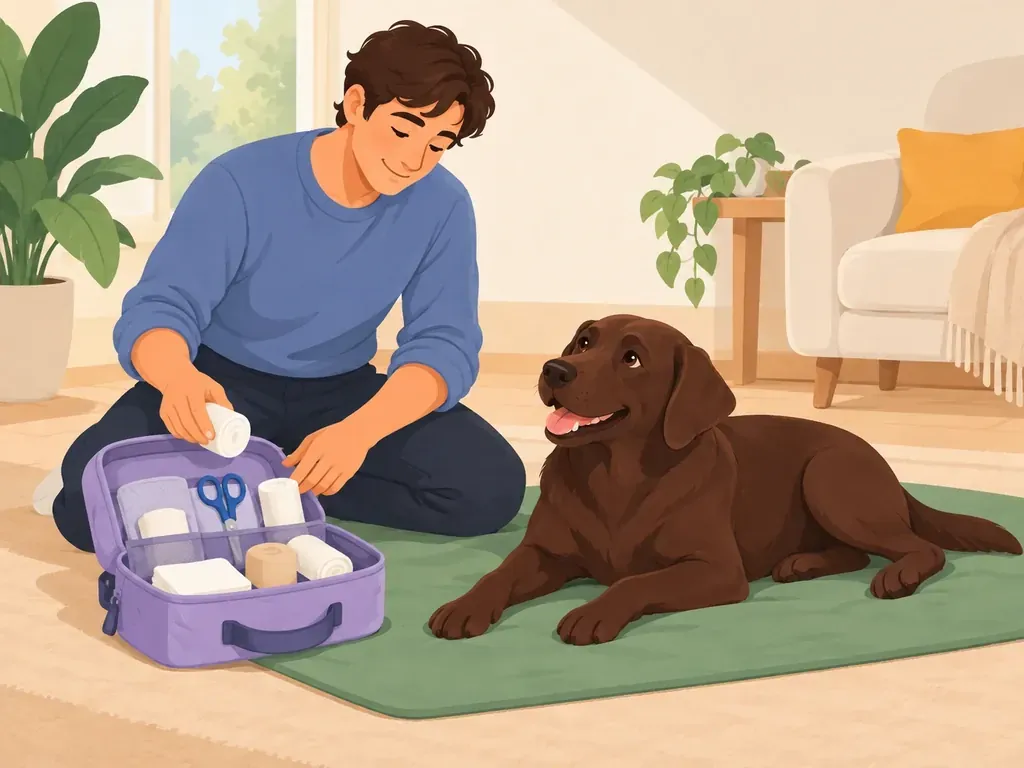
Put your vet’s number and the nearest 24 hour emergency clinic in your phone today. Pack a first aid kit, and learn your dog’s normal vital signs while they’re healthy.
 Foods That Are Toxic to DogsCommon kitchen foods that can make dogs seriously ill.
 Summer SafetyHot days are fun and risky: here's how to keep it the first one.
 Winter WalksCold, grit and short days. Keep walks safe and comfy.
 Choosing Safe ChewsChewing is healthy: the right thing to chew makes it safe.
 CPRIf your dog isn't breathing and has no heartbeat.
 ChokingPawing at the mouth, gagging, blue gums, panic.
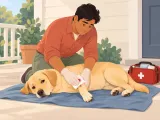 Heavy BleedingBlood spurting or pooling from a wound.
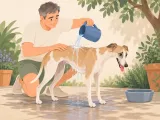 HeatstrokeHeavy panting, drooling, bright red gums, wobbling or collapse.
 PoisoningThey've eaten chocolate, grapes, xylitol, medicine, rat bait or a toxic plant.
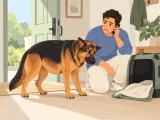 Bloat (Twisted Stomach)Swollen belly, retching with nothing coming up, restlessness.
 Hit by a CarEven if they get up and seem fine.
 SeizuresPaddling legs, jerking, drooling, not responding.
 Allergic ReactionA swollen face, hives or itching after a sting, food or medicine.
 Bee and Wasp StingsSudden yelping, a swollen paw or face, pawing at the mouth.
 Burns and ScaldsFrom hot water, cooking, fire or chemicals.
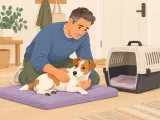 Broken Bone or SprainLimping, not putting weight on a leg, swelling.
 Cuts and Cut Paw PadsGlass, thorns or sharp stones on a walk.
 Eye InjuriesSquinting, a watery or red eye, pawing at the face.
 Removing a TickFound a tick after a walk in long grass or woods.
 Too Cold (Hypothermia)Shivering, then slow movements and cold ears and paws.
 Snake BiteTwo small puncture wounds, fast swelling, pain, trembling.
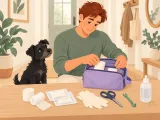 Your First-Aid KitWhat to keep at home and in the car.
Call your vet, an emergency clinic or an animal poison control line straight away. Have the packaging with you. Don't make your dog vomit unless a vet tells you to.
Gauze, bandages, tape, saline, a tick remover, a digital thermometer, a muzzle or soft strip of cloth, and your vet's and emergency clinic's numbers.