Dog Poisoning: What to Do If Your Dog Ate Something Toxic
They've eaten chocolate, grapes, xylitol, medicine, rat bait or a toxic plant.
 By Pawfessor Editorial Team Reviewed by a veterinarianUpdated
On this page
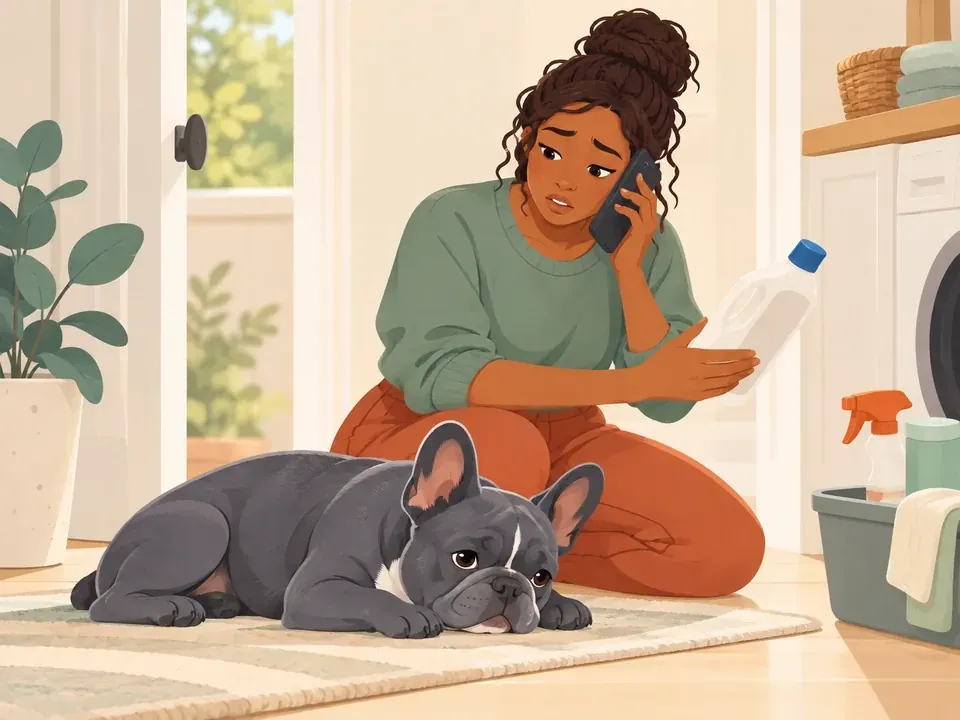
Emergency: go to a vet now. Do these steps on the way to the vet, or while someone else calls ahead.
Speed matters. If you know or suspect your dog swallowed something harmful, call for advice now, even if they seem fine.
Who to call
- Your vet, or the nearest 24 hour emergency clinic
- In the US: the ASPCA Animal Poison Control Center at (888) 426-4435, or the Pet Poison Helpline at 855-764-7661. Both may charge a consultation fee.
Have this ready
- What your dog ate, and the packaging or a photo of it
- How much, and when
- Your dog’s weight
- Any symptoms you’ve seen
Common culprits include chocolate, grapes and raisins, xylitol (in sugar-free gum and some peanut butters), onions and garlic, human medicines, rat and slug bait, and antifreeze. See the full list of foods toxic to dogs.
What to do
- Take away whatever is left and keep the packaging
- Call your vet or an animal poison line right now, even if they seem fine
- Tell them what, how much, their weight and when
- Follow their advice exactly
Don't
- Make them sick unless a vet tells you to: some poisons do more damage coming back up
- Use salt water or anything else to make them vomit
- Wait for symptoms: many poisons only show after hours or days
Frequently asked questions
How long after eating something toxic will a dog show symptoms?
It depends on the poison: some act within minutes, others take hours or days. Don't wait for symptoms. Call as soon as you know or suspect your dog ate something.
Should I give my dog milk or salt to make them sick?
No. Never give salt, and don't try to make your dog vomit at home unless a vet tells you to and how.
Sources and further reading
- Animal Poison Control Center. ASPCA.
- Pet Poison Helpline. Pet Poison Helpline.
- People Foods to Avoid Feeding Your Pets. ASPCA.
Pawfessor programs for this
Keep reading
Puppy proofing your home
A room by room checklist to puppy proof your home: kitchen, living room, bathroom, garage and yard, plus the household items that are toxic to dogs.
CPR
If your dog isn't breathing and has no heartbeat.
Choking
Pawing at the mouth, gagging, blue gums, panic.