
Dog commands, taught step by step
The essential cues every dog should know, each broken into small steps your dog can win at. Start here, then follow the full plan in the app.
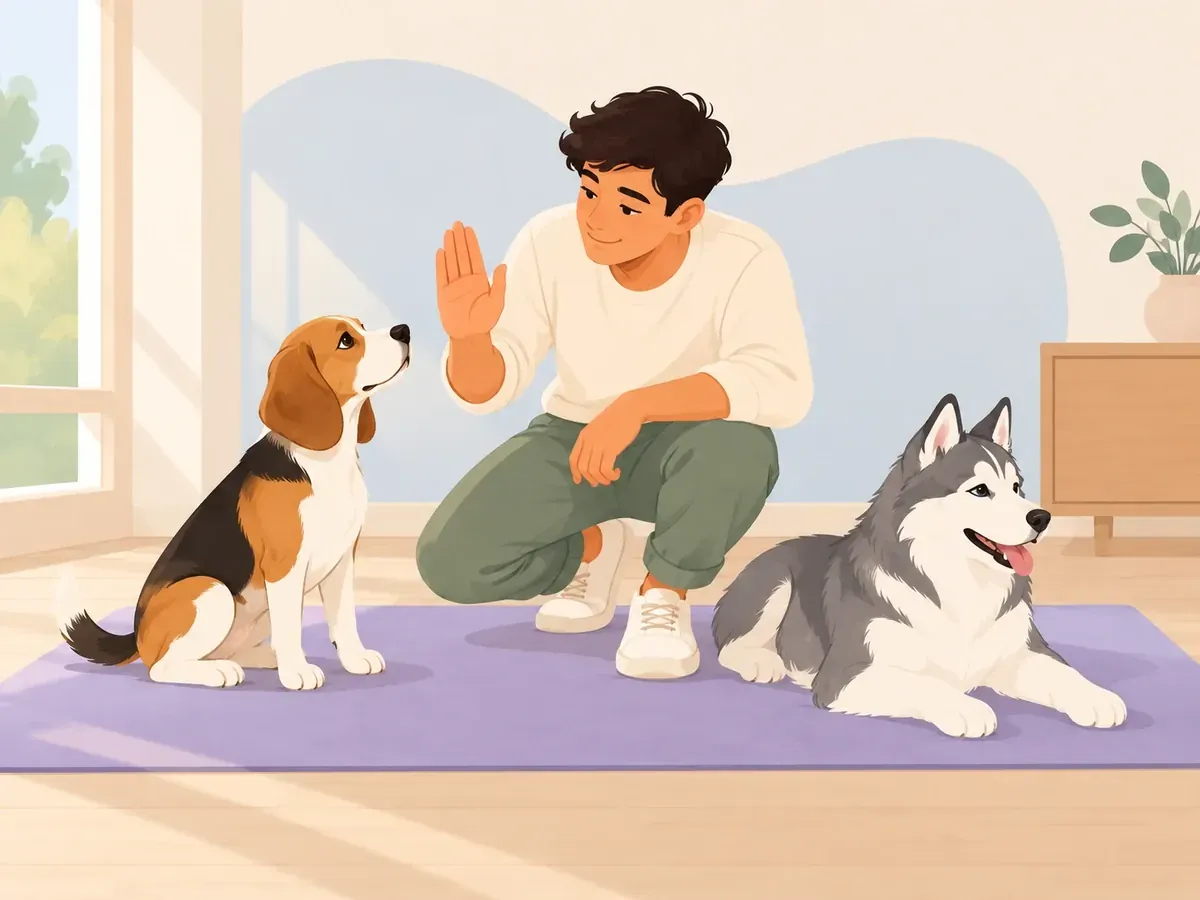
Foundations
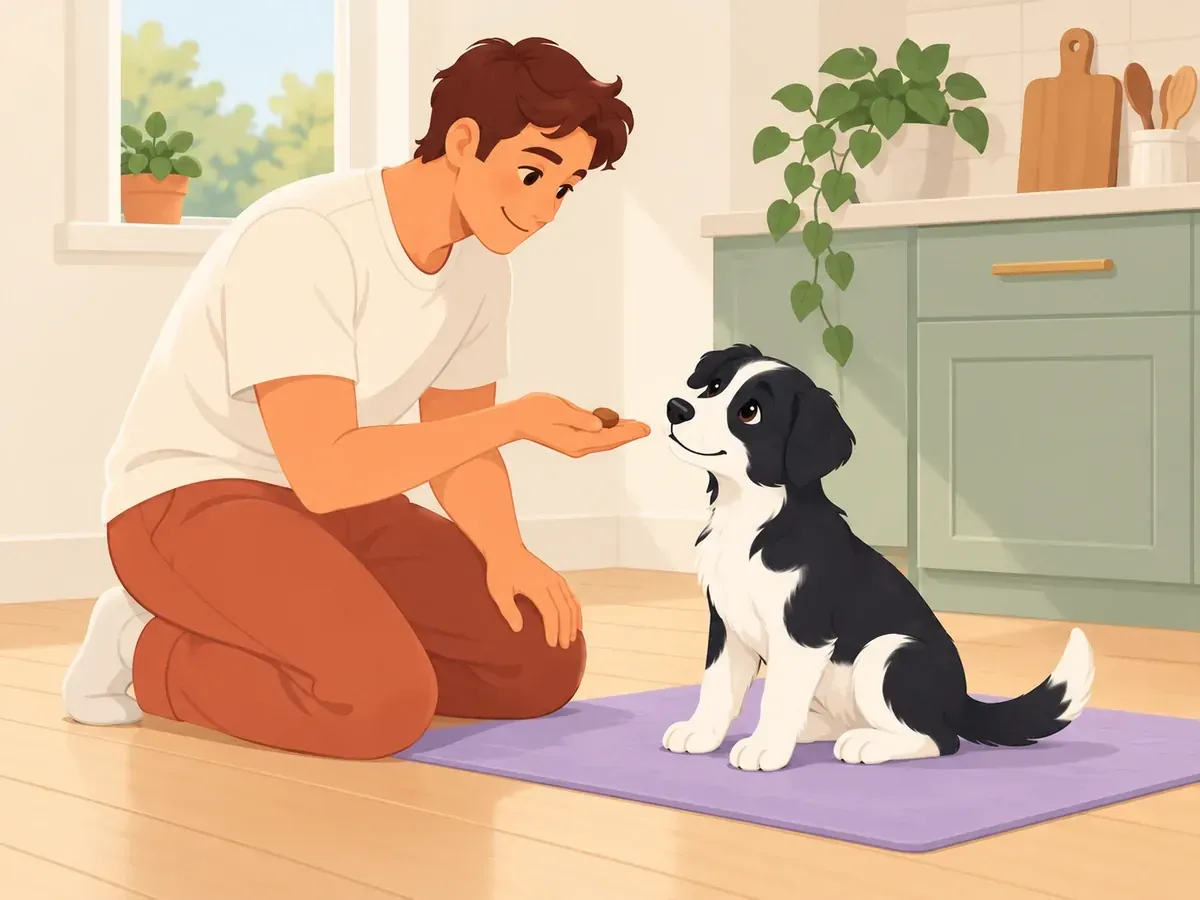 Easy · in the appMarker wordA marker word tells your dog the exact moment they got it right. It's the foundation every other command is built on.
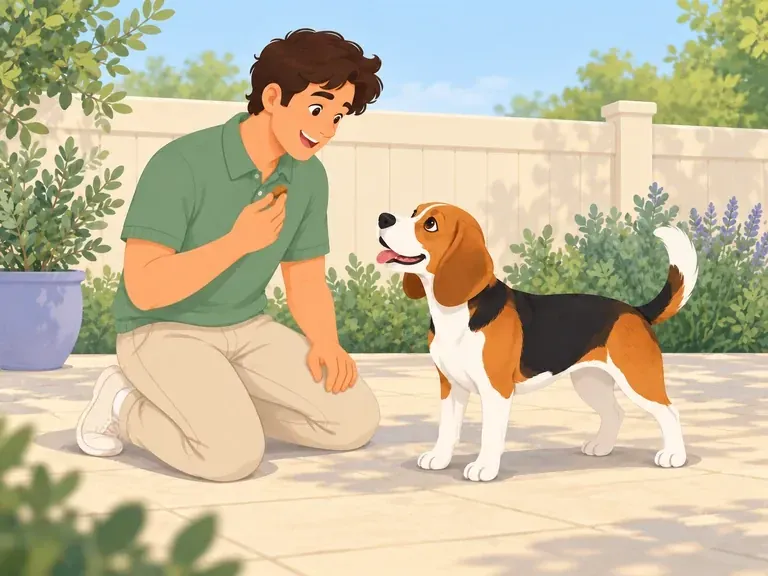 Medium · in the appName recognitionTheir name should mean "look at me, something good is coming". It's how you get attention before any other cue.
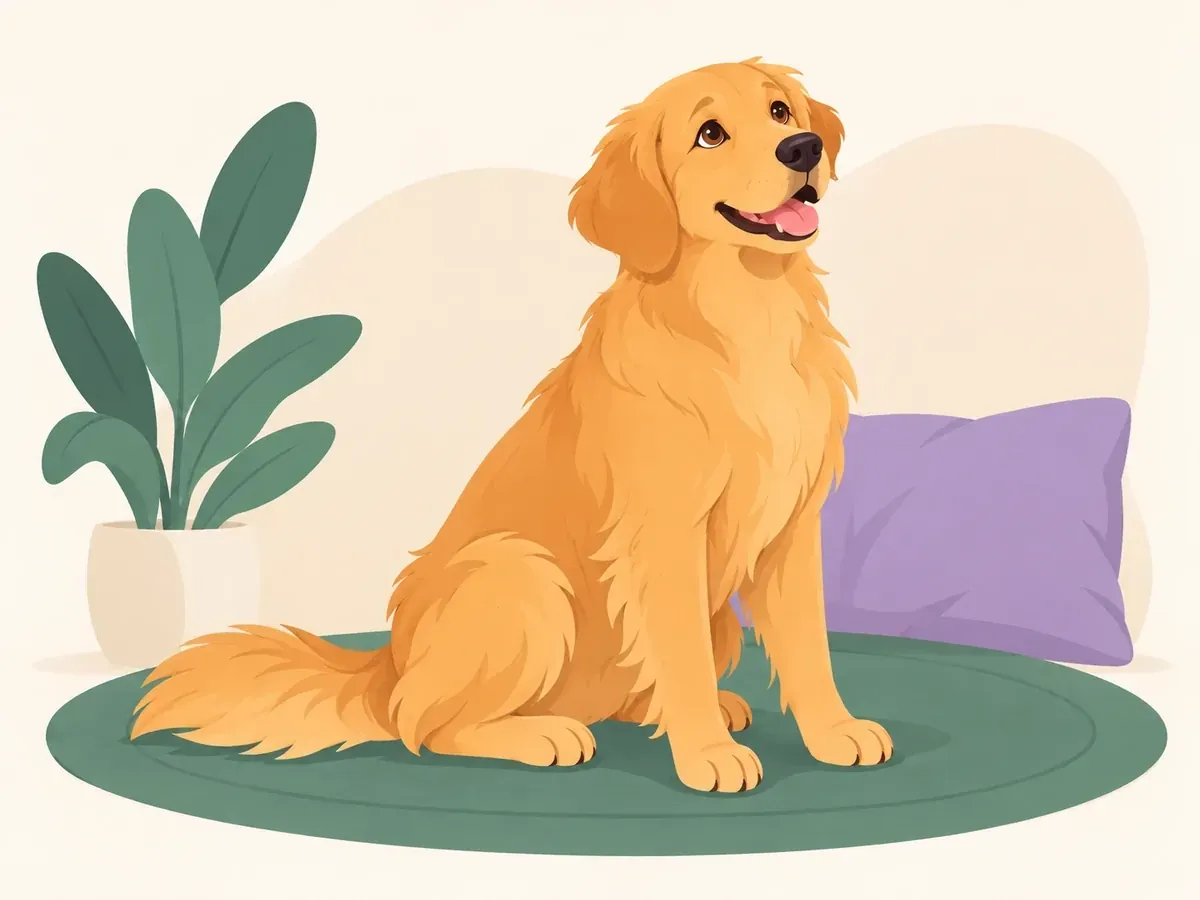 Medium · in the appSitSit is the "please" of the dog world: a calm default that replaces jumping, pulling and snatching.
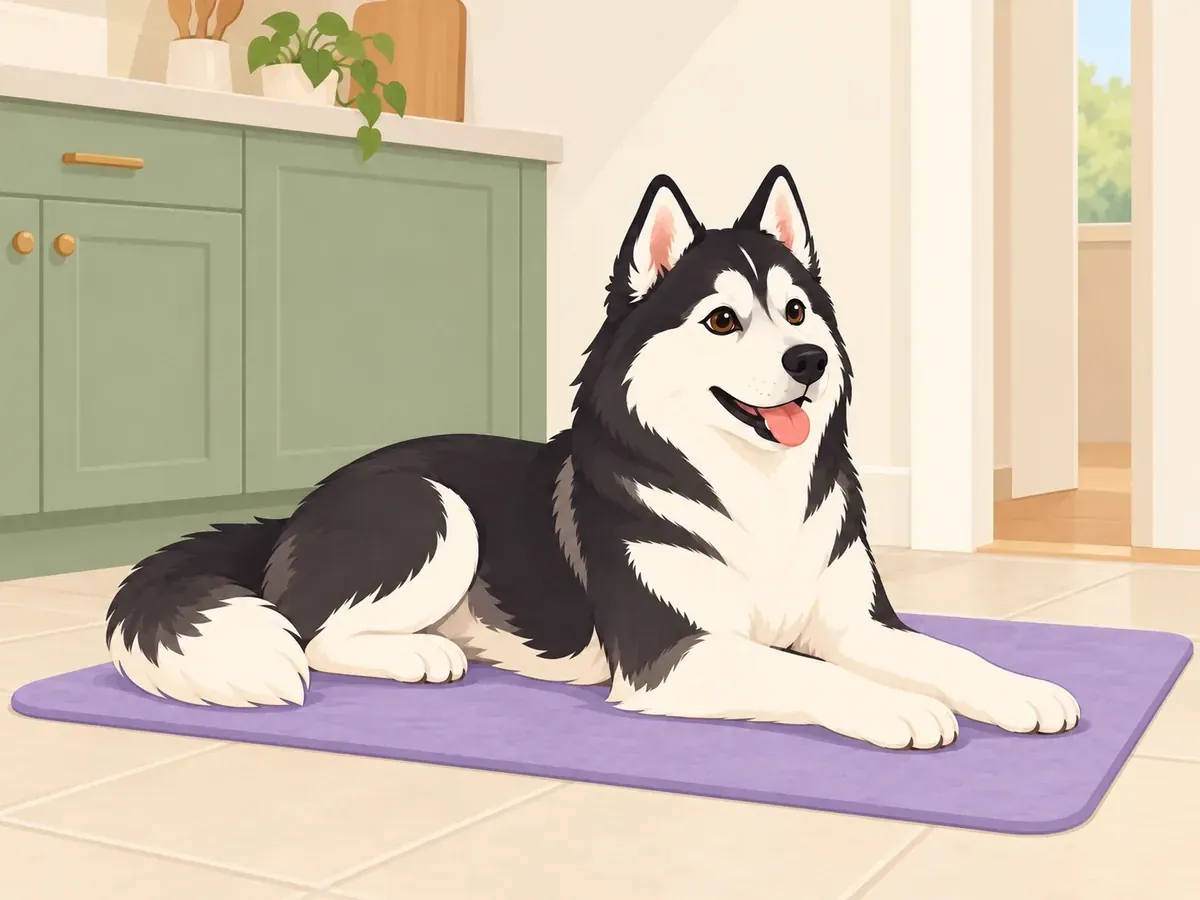 All levels · in the appDownA reliable down settles an excited dog and is the start of stay, place and relaxation.
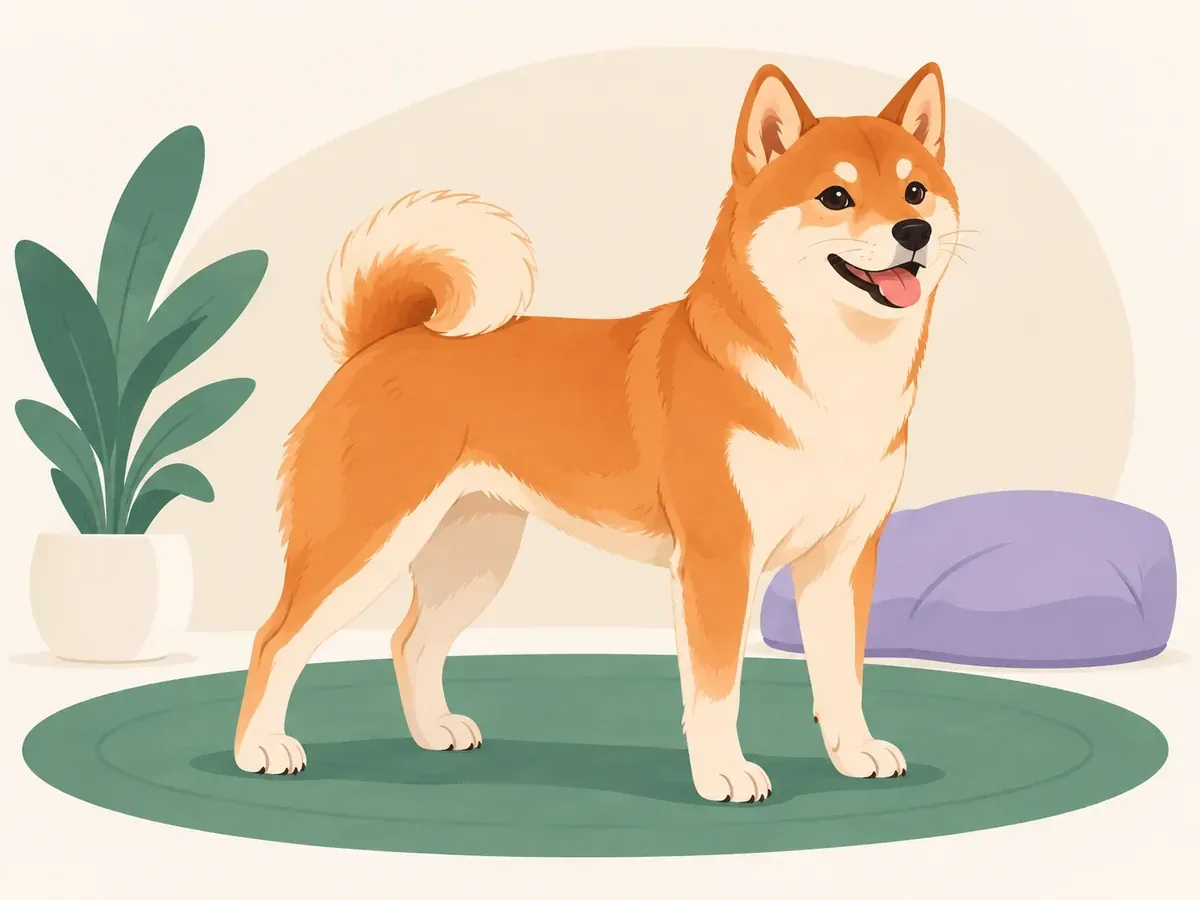 Medium · in the appStandStand makes vet checks, grooming and drying muddy paws easy, and it's the missing link between sit and down.
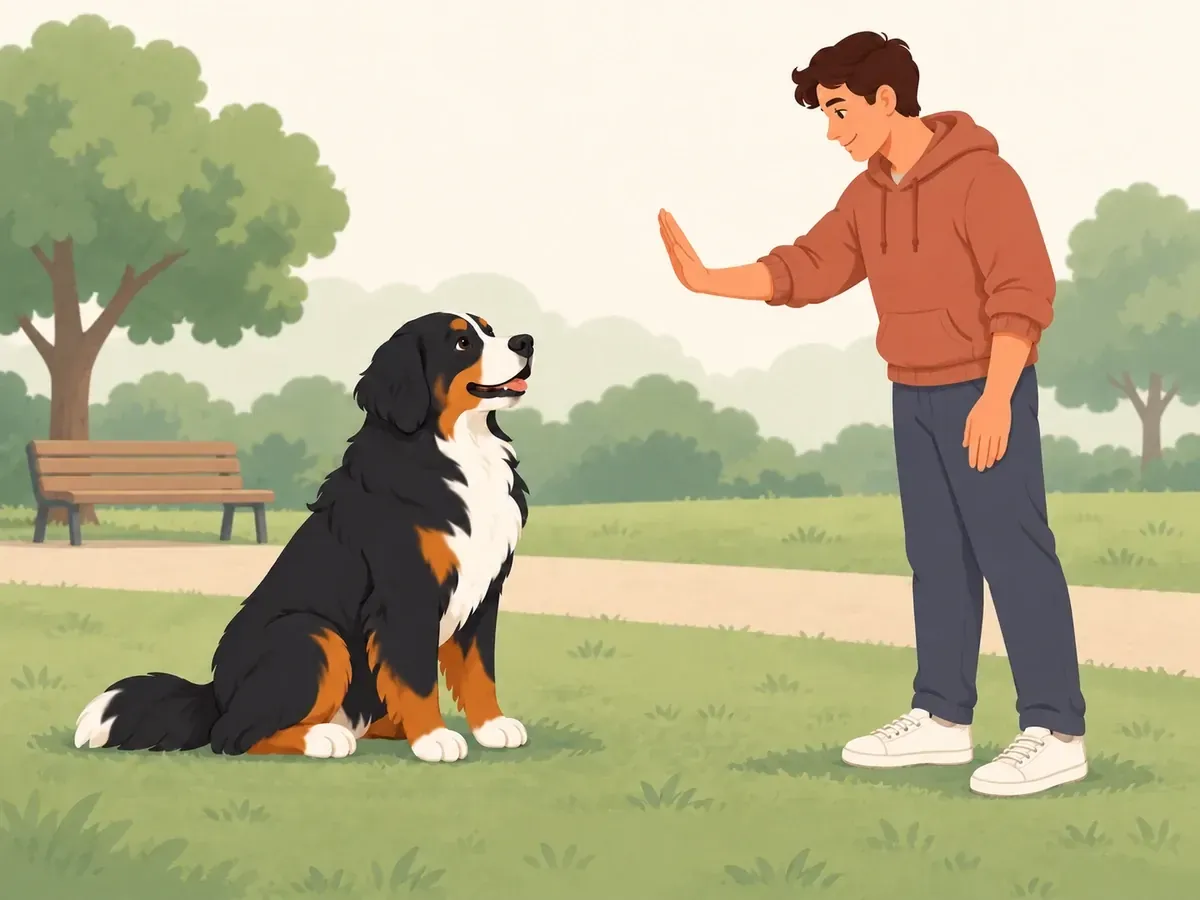 Medium · in the appStayStay teaches your dog what patience means and teaches them self-control.
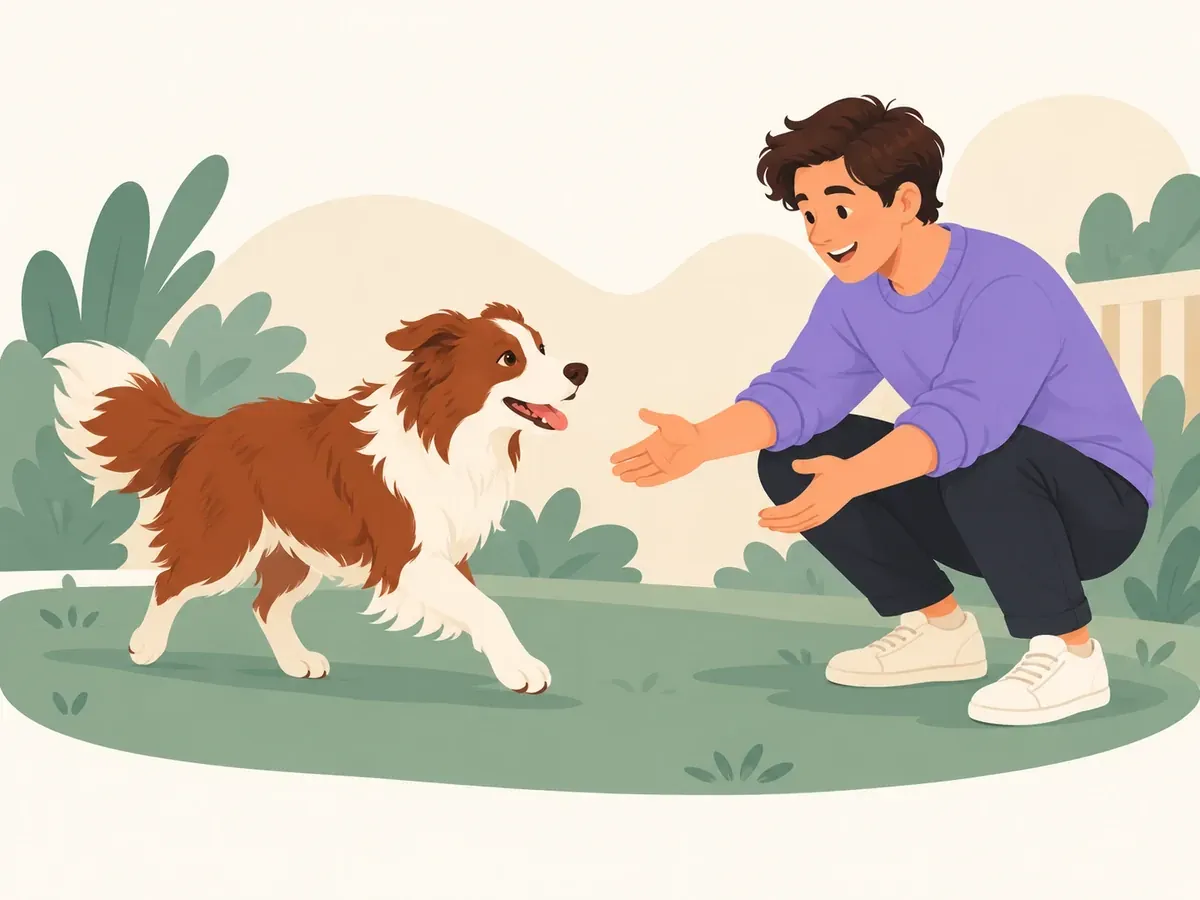 Medium · in the appComeA great recall is the most important thing you'll teach. It gives your dog freedom and keeps them safe.
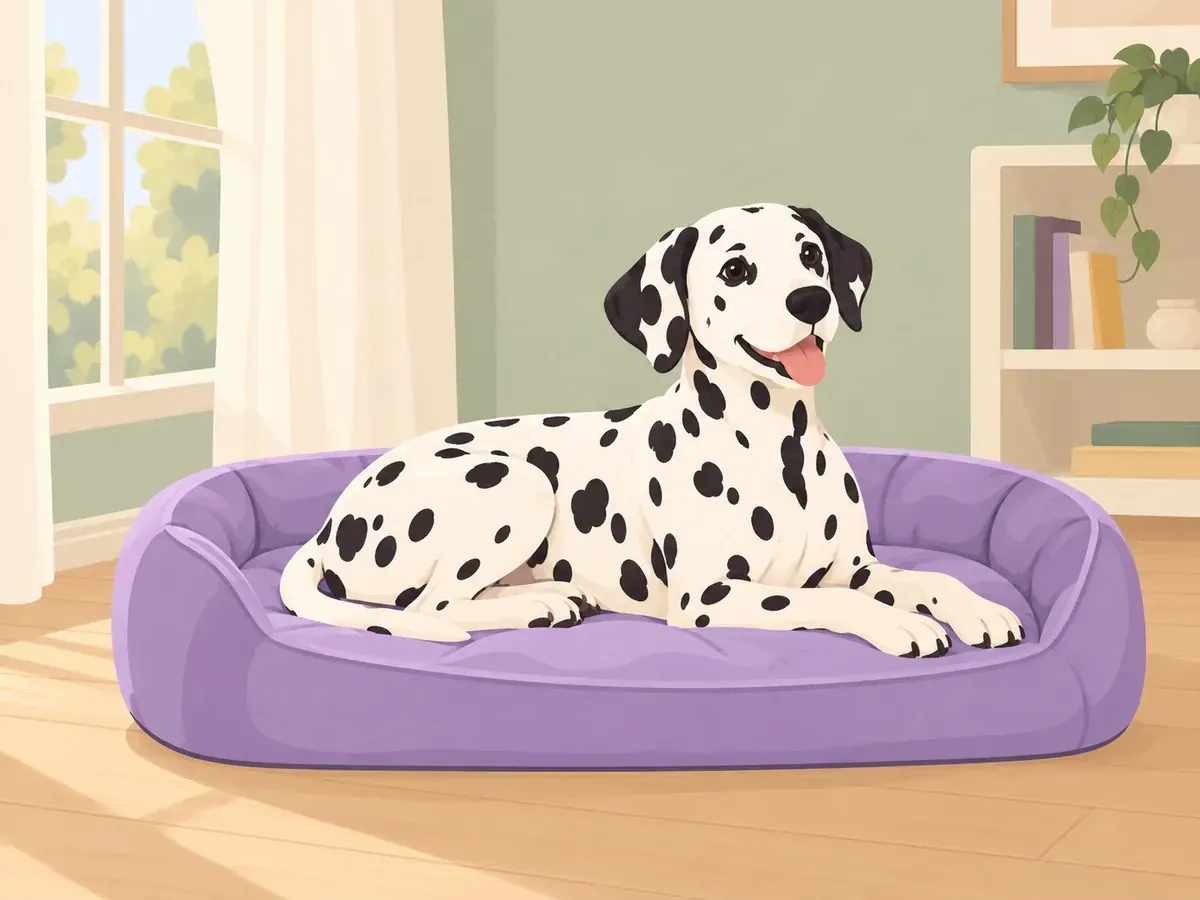 Expert · in the appPlacePlace sends your dog to their own area, their own space, and keeps them there: a calm spot when the doorbell rings or dinner is served.
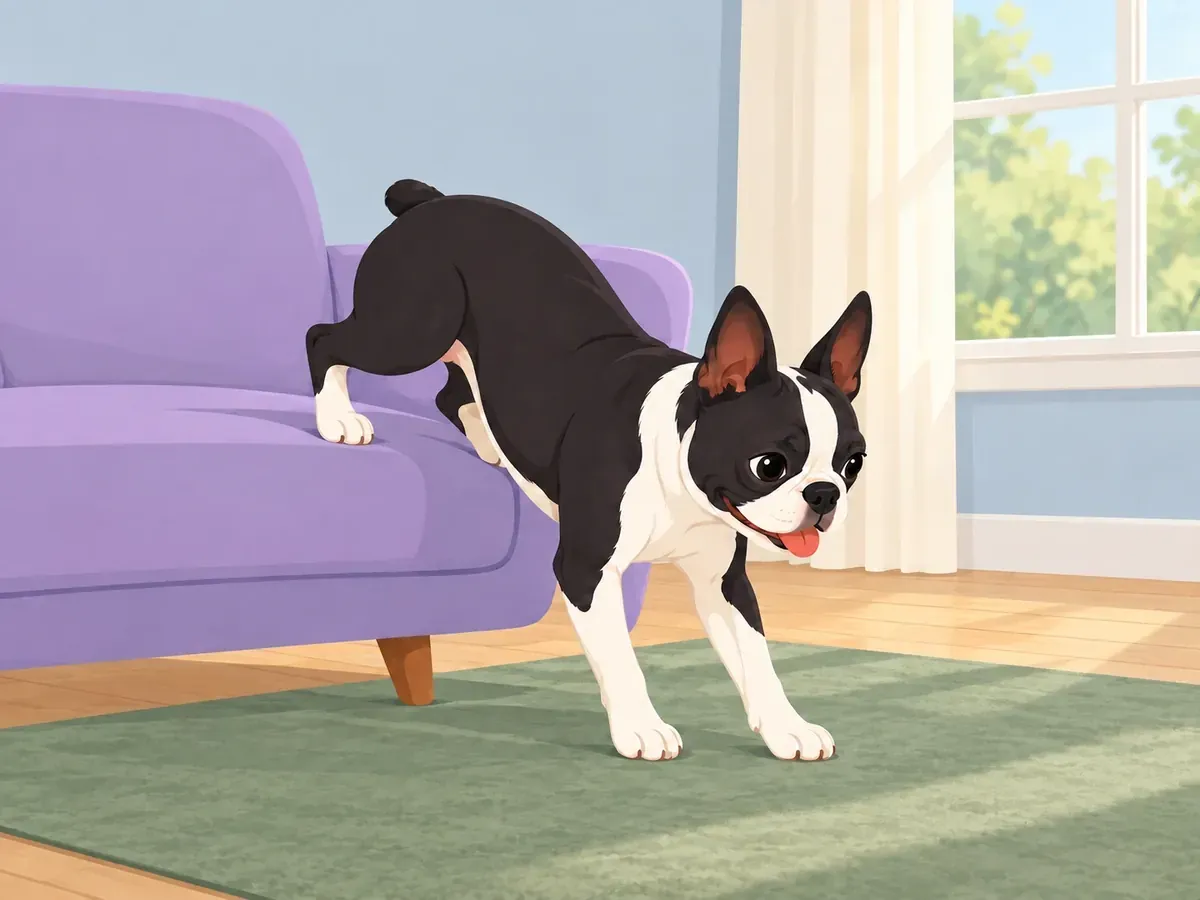 Medium · in the appOffOff means "all four paws on the floor", for sofas, beds and people.
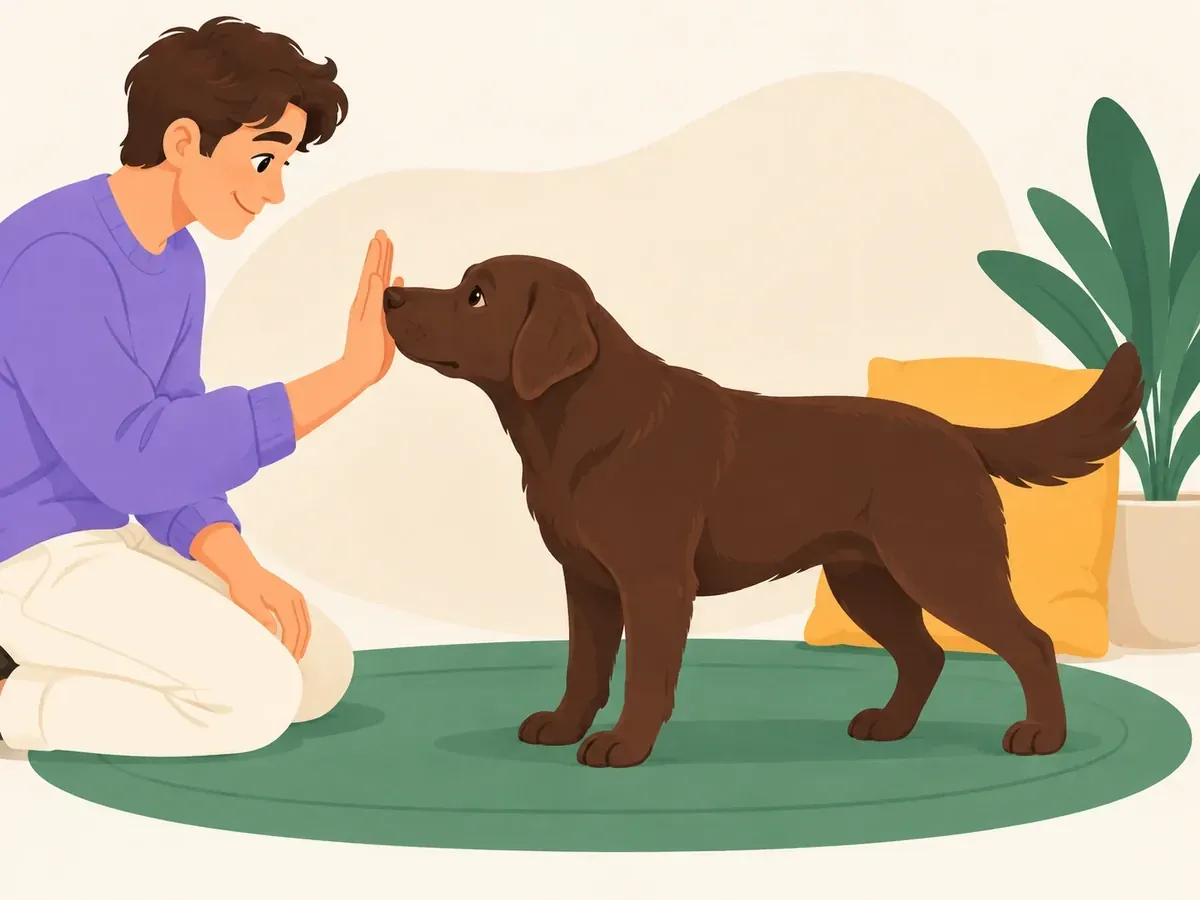 Medium · in the appTouch (hand target)A nose-to-hand target moves your dog anywhere without pulling: brilliant for walks and nervous dogs.
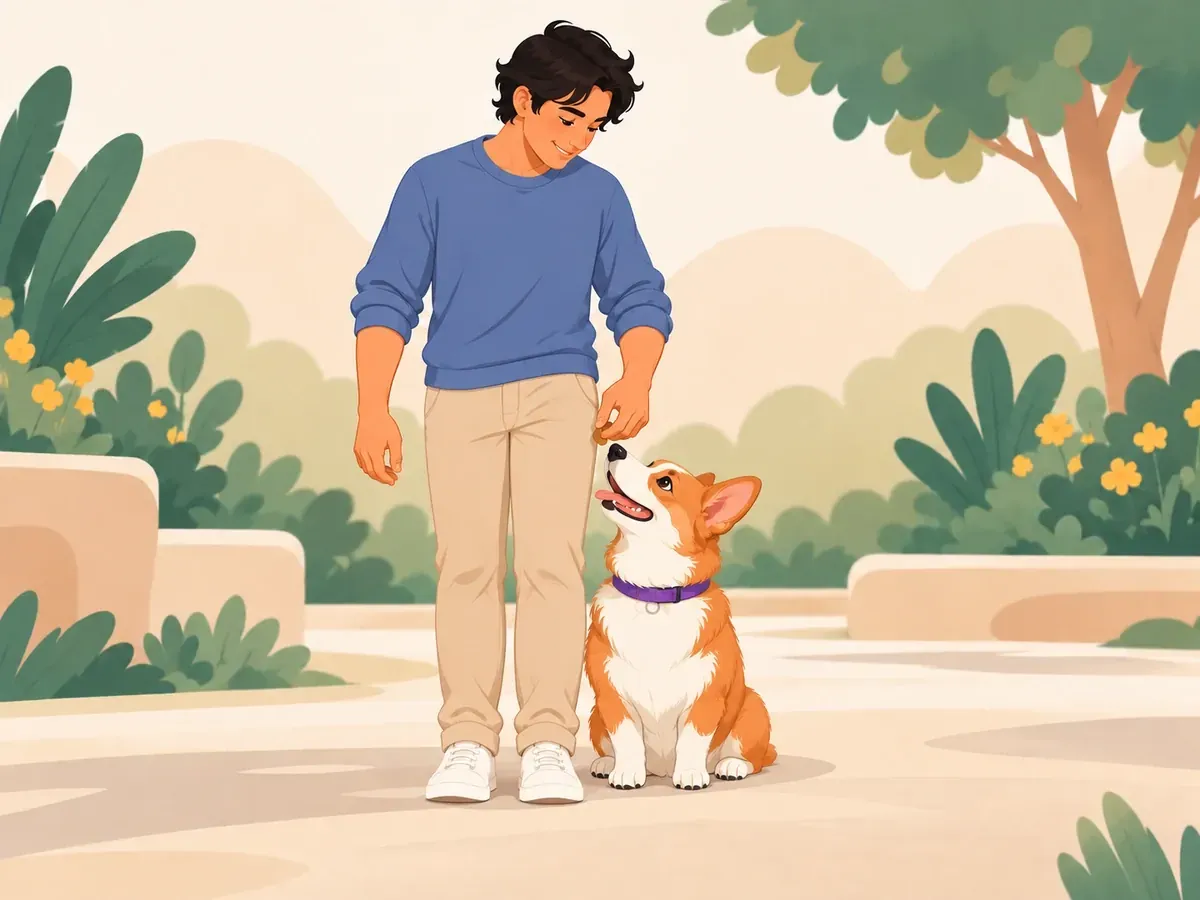 HardHeelHeel is a precise position, shoulder at your leg and eyes up, for the short tricky moments of a walk: passing another dog, crossing a busy road, a narrow path.
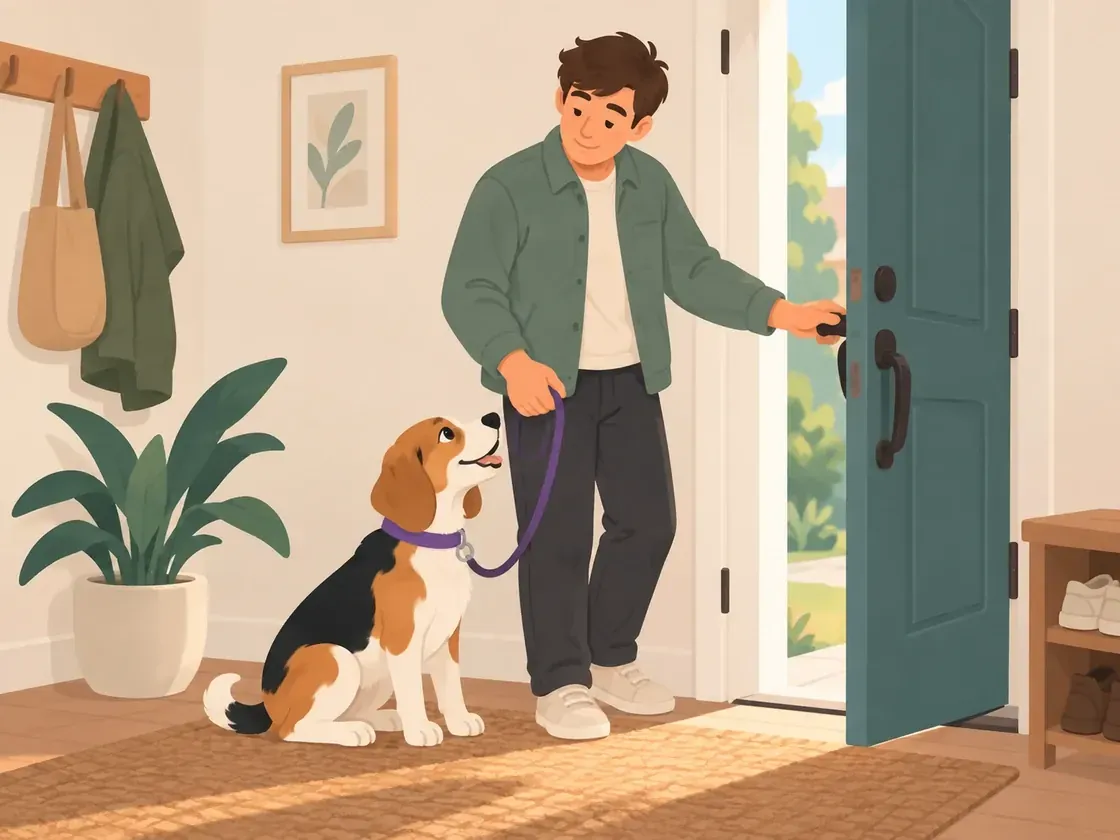 MediumWaitWait means pause right here until I say go. It stops dogs bolting through doors, out of the car or across the road.
Impulse control
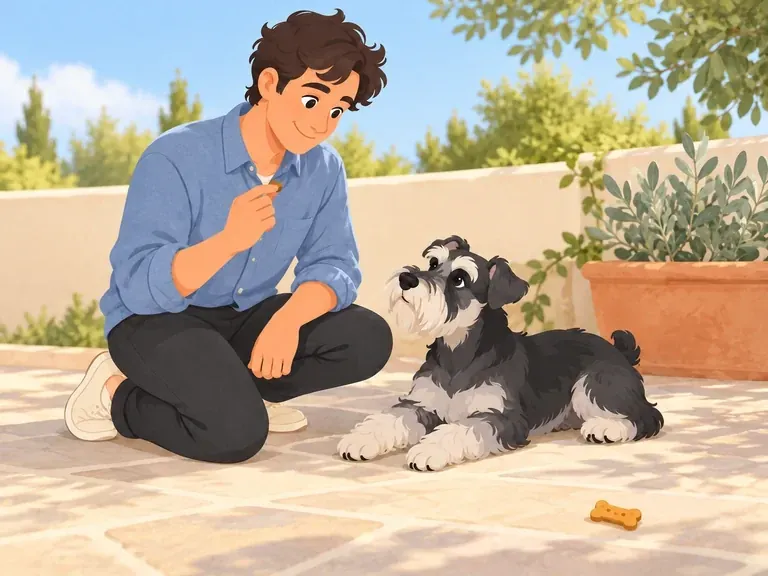 Medium · in the appLeave ItLeave it can stop your dog eating something dangerous: chocolate, a chicken bone, pills.
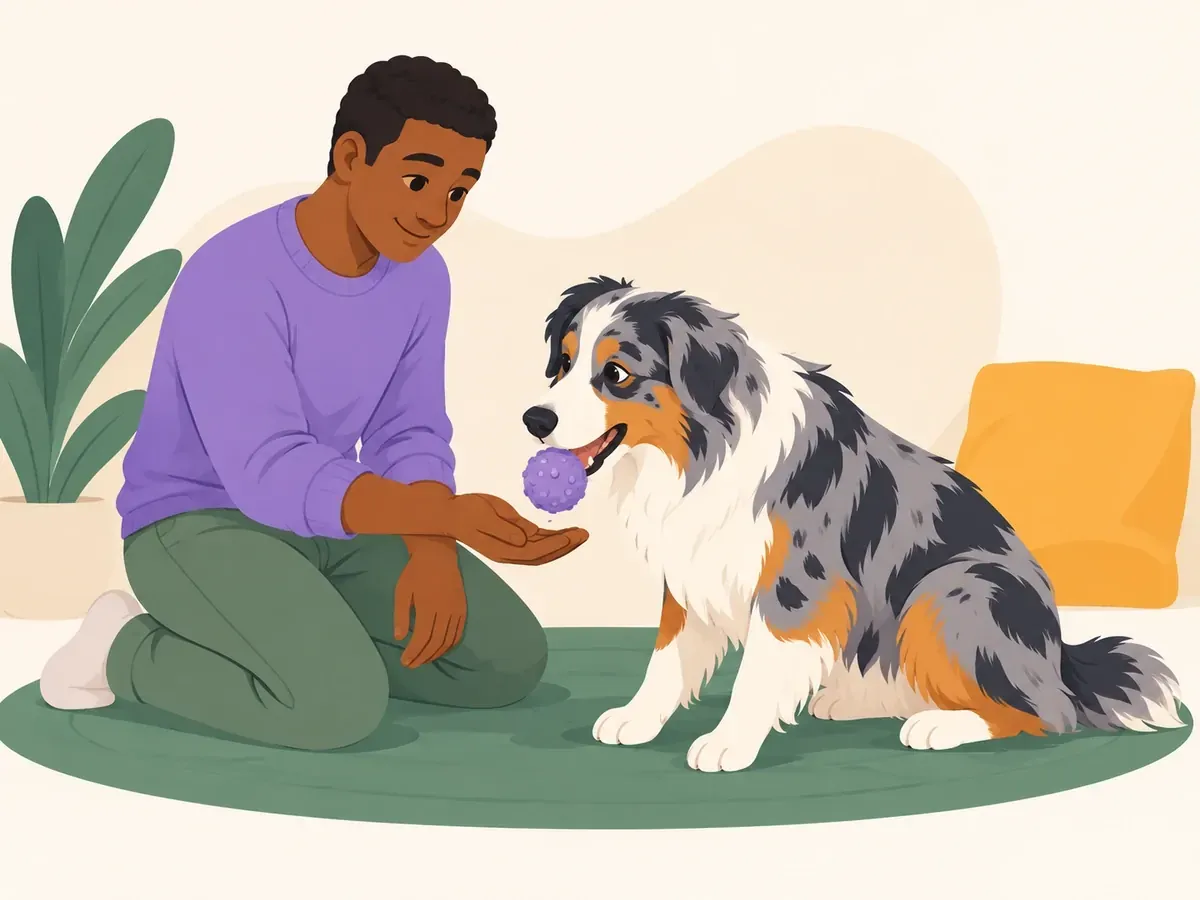 Medium · in the appDrop ItDrop it gets things out of their mouth calmly, no chasing, no fights.
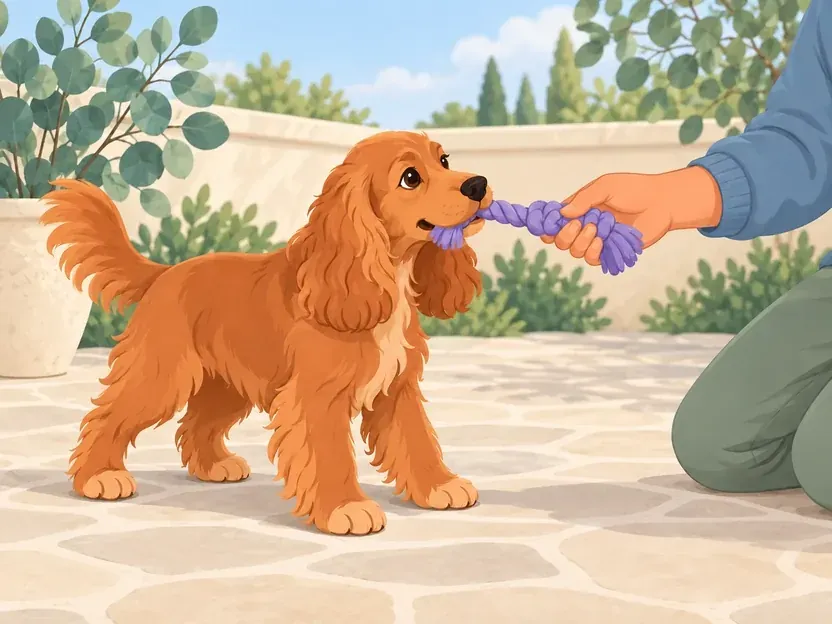 Medium · in the appTake ItTake it teaches polite mouths. They only take things when invited.
Which commands matter most
Start with the cues that keep your dog safe and make daily life easier: come, leave it, stay and sit. Everything else builds on these.
How every command is taught
Every command follows the same pattern, the one used in the Pawfessor app:
- Lure or capture the behavior with a treat, or wait for it to happen.
- Mark the exact moment with “Yes!” or a click, then reward.
- Add the word once your dog does it reliably, just before the movement.
- Fade the lure, so the treat comes from your other hand or your pocket.
- Add the three Ds one at a time: duration, distance, distraction.
Common mistakes
- Repeating the cue: “sit, sit, SIT” teaches that the first one doesn’t count.
- Moving on too fast: four out of five right before you make it harder.
- Using the cue for something unpleasant, like calling your dog to end the fun.
- Different words from different people. Agree on one word per behavior.
For a recommended order, see dog obedience training. For fun extras, see dog tricks.
Frequently asked questions
What are the basic dog commands?
Most trainers start with a marker word, name, sit, down, stay, come and leave it. Add drop it, place, off and loose-leash walking next.
How many commands can a dog learn?
Many more than most owners teach. The limit is usually practice time, not the dog. Teach a few well before adding more.
Should I use hand signals or words?
Both. Dogs often learn hand signals faster, because they watch body language closely. Teach the signal first, then add the word just before it.