Helping a dog who is afraid of the car
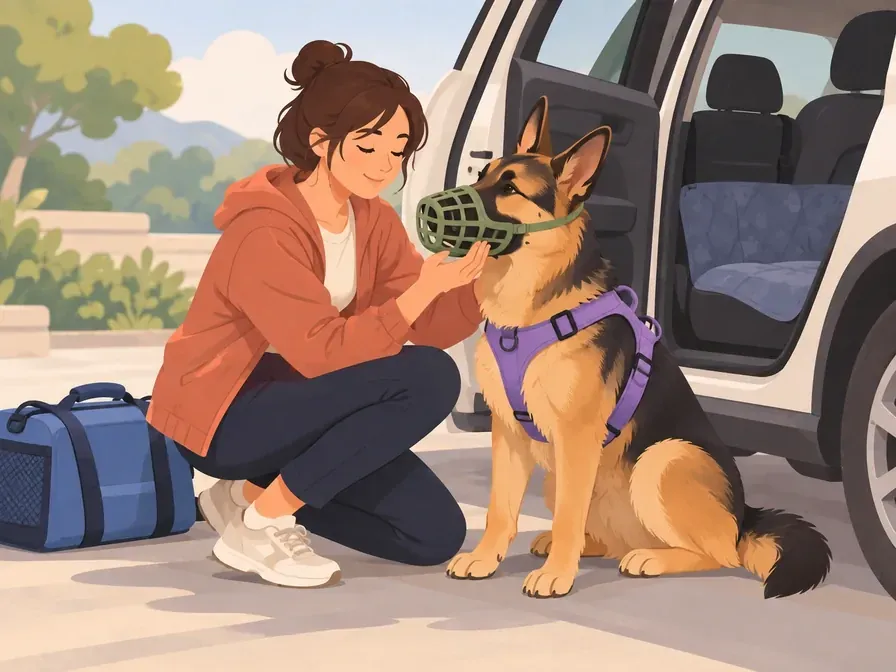
Why some dogs fear car rides and how to help: step by step desensitization, travel sickness tips, safe restraint and when to talk to your vet.
Most problem behavior makes sense from the dog's side. Understand the why, and the fix gets much easier.
Why some dogs fear car rides and how to help: step by step desensitization, travel sickness tips, safe restraint and when to talk to your vet.
Why dogs ignore recall and a step by step plan to fix it: a fresh cue, long line practice, rewards that beat distractions and the mistakes that poison recall.
Why dogs pull on the leash and how to teach loose-leash walking with rewards: the right gear, practice at home, stop and go, direction changes and setbacks.
Dogs don’t misbehave to annoy us. They pull because pulling gets them to the smells faster. They jump because faces are up there and jumping got a reaction last time. They bark because something felt worth barking at. Once you know what a behavior gets your dog, you can teach a better way to get it.
Body language tells you how your dog feels before behavior gets loud. Lip licking, yawning, turning away and a tucked tail are early signs of worry. Learn them in reading dog body language.
Sudden changes can come from pain, illness, poor sleep, fear or a change in routine. If behavior changes quickly, see your vet first to rule out a medical cause.
No. Punishment can make fear and aggression worse and doesn't teach your dog what to do instead. Prevent the behavior, and reward the alternative you want.
Yes. Adult and senior dogs learn throughout life. Habits that have been practiced for years take longer to change, so be patient and consistent.