
Samoyed: temperament, training and care
Friendly, the smiling dog. Hates being alone. Sheds heavily.
At a glance
Temperament
- Friendly, the smiling dog
- Hates being alone
- Sheds heavily
Training tips
Build alone time early: a lonely Samoyed howls.
Samoyeds can be independent thinkers. Find what your dog will really work for, keep sessions short and fun, and expect to repeat things more often than with an eager-to-please breed.
Start with a marker word, sit, come and leave it. For a puppy, see the puppy training guides.
Exercise and energy
A healthy adult Samoyed typically needs around 60 to 90 minutes of activity a day. Walks alone rarely cover it: add sniffing games, training and play so their brain gets tired too. Puppies need much shorter sessions while they grow.
See how much exercise a dog needs and our games and enrichment ideas.
Health to watch
Things the breed is known to be prone to. Ask your vet what to check for your dog.
- Hips and elbows. Prone to joint problems: keep them lean and ask the vet to check the joints each year.
- Hot weather. A thick coat holds heat: keep walks early and late in summer. See: Heatstroke.
- Eyes. Prominent or sensitive eyes: see the vet the same day for squinting or a cloudy eye. See: Eye Injuries.
Pawfessor programs for this
Other medium breeds
English Bulldog
Calm, sweet and people focused. Stubborn but not defiant. Snores
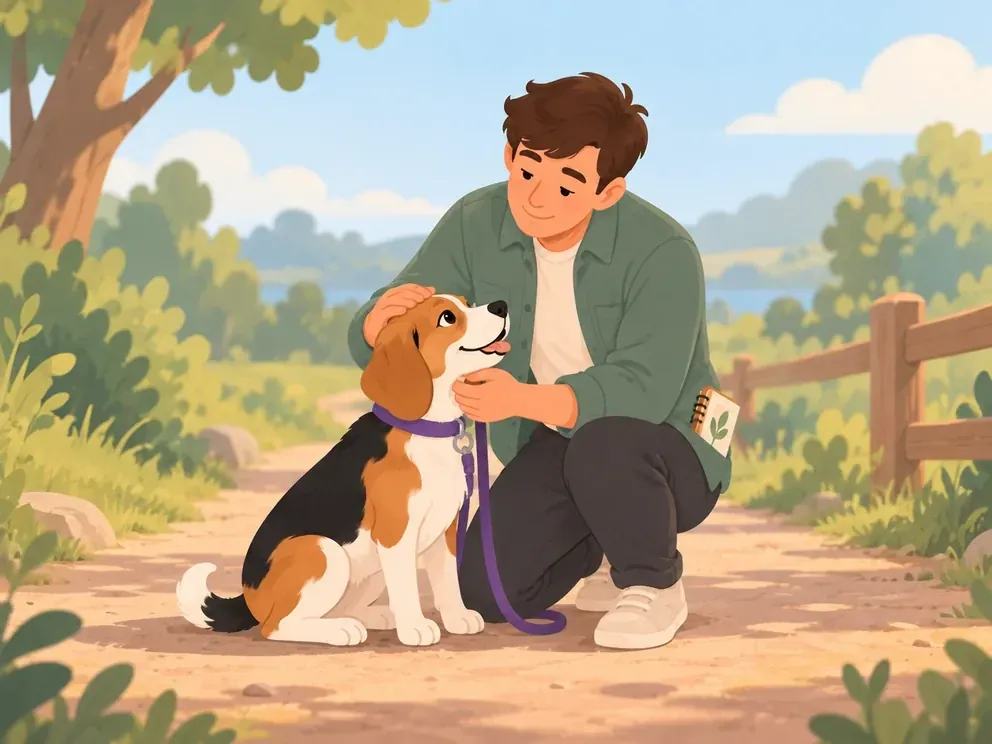
Beagle
Merry and sociable. Follows the nose above all. Vocal: bays and howls
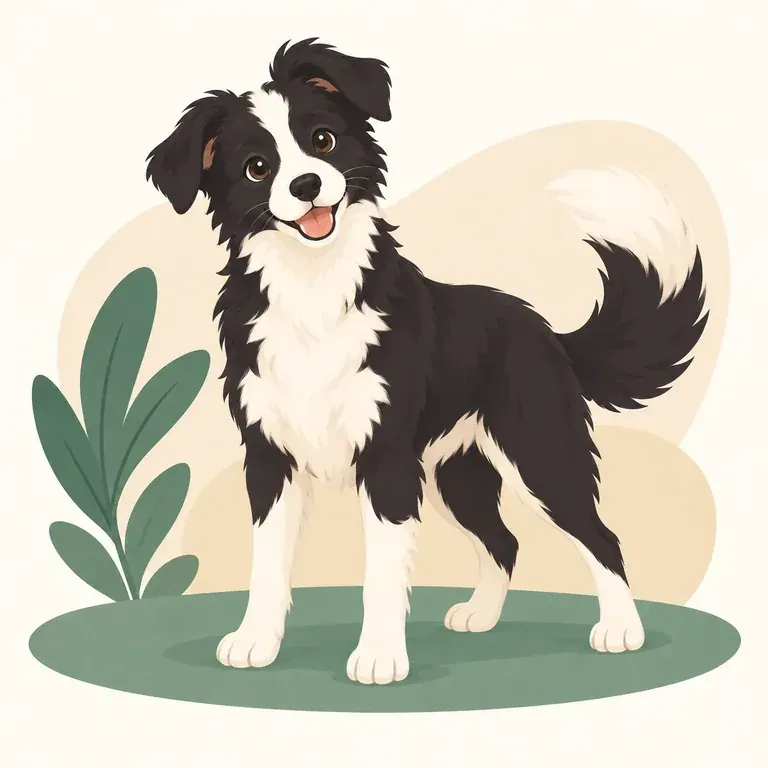
Border Collie
The most trainable of all breeds. Herds anything that moves. Restless without mental work