Chihuahua: temperament, training and care
Devoted to one person. Brave and bossy. Can be wary of strangers.
 By Pawfessor Editorial TeamUpdated
On this page
At a glance
Temperament
- Devoted to one person
- Brave and bossy
- Can be wary of strangers
Training tips
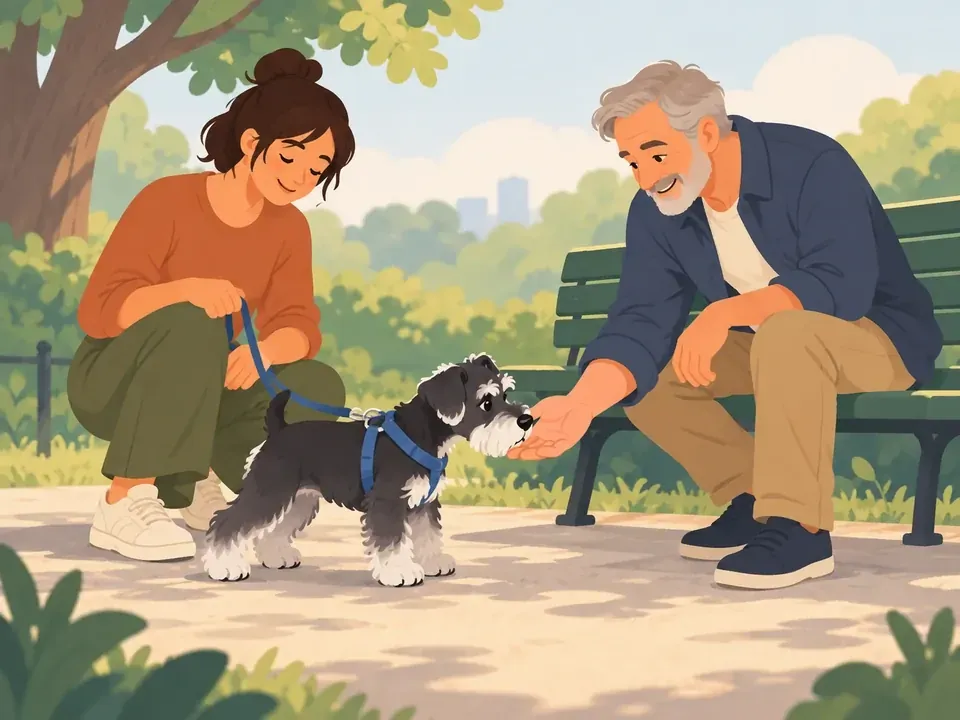
Let strangers ignore them: a Chihuahua warms up when not rushed.
Chihuahuas can be independent thinkers. Find what your dog will really work for, keep sessions short and fun, and expect to repeat things more often than with an eager-to-please breed.
Start with a marker word, sit, come and leave it. For a puppy, see the puppy training guides.
Common challenges
- Fear and barking at strangers or other dogs. Give space and use positive meetings. See dog afraid of strangers.
- Potty training can take longer. Small bladders need frequent trips, and indoor pads can help in bad weather.
- Being picked up too often. Let them walk and choose, so they build confidence.
- Feeling the cold. A coat helps on cold walks.
Lifestyle
Chihuahuas often bond closely with one person and are happy in small homes. Train them like any dog: they’re smart and enjoy tricks.
Exercise and energy
A healthy adult Chihuahua typically needs around 30 to 30 minutes of activity a day. Mix walks with sniffing and short training games: mental work tires dogs as much as running does. Puppies need much shorter sessions while they grow.
See how much exercise a dog needs and our games and enrichment ideas.
Health to watch
Things the breed is known to be prone to. Ask your vet what to check for your dog.
- Teeth. A small mouth crowds the teeth: brush them a few times a week.
- Kneecaps. Kneecaps can slip: a skip or hop on a back leg is worth showing the vet. See: Broken Bone or Sprain.
- Cold weather. A thin coat and little body fat: a coat on cold walks, and short trips out in winter. See: Too Cold (Hypothermia).
- Heart. Heart conditions run in the breed: a yearly listen at the vet catches them early.
Frequently asked questions
Why are Chihuahuas often barky or nervous?
Small dogs can feel vulnerable in a big world, and fear can look like bravado. Calm socialization and letting them approach at their own pace help.
Do small dogs need training?
Yes. Small dogs benefit from training just as much as big ones, and it helps them feel confident and safe.
Sources and further reading
- Chihuahua breed information. American Kennel Club.
Pawfessor programs for this
Other toy breeds
Toy Poodle
Bright and affectionate. Hardly sheds, but needs clipping. Delicate: careful with jumps
Yorkshire Terrier
Big personality in a tiny body. Alert, barks at noises. Brave to a fault
Maltese
Gentle, playful lap dog. Hardly sheds. Can be hard to house-train